Principal Objectives
Love
To nurture wonder, creativity, and reflection, cultivating a lifelong love of learning and a confident Muslim identity rooted in love for Allah ﷻ and His Messenger ﷺ.
Knowledge
To seek and master the tools of learning, recognizing that all knowledge is interconnected and ultimately leads to the One ﷻ.
Stewardship
To develop noble character and refined manners, preparing leaders for successful service to God and humanity.
Our Model
Family Environment
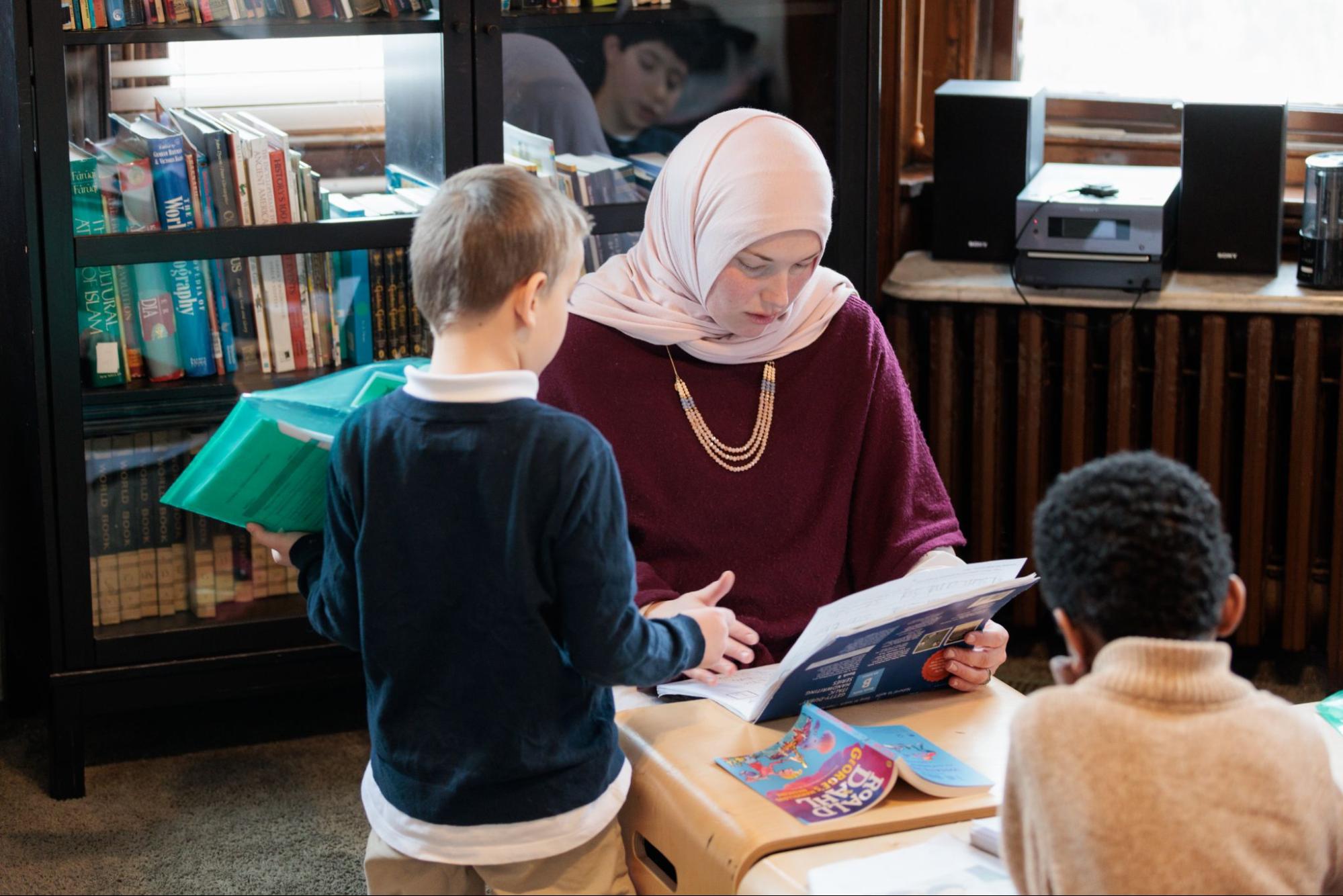
With a 6:1 student-to-teacher ratio, collaboration between teachers and families and instructors who treat students like they would their own children – Revival Ihya offers a nurturing environment to help students flourish spiritually and academically.
“She loves it. Every morning…she runs, brushes her teeth, she loves it. She has a connection with the teachers, the students. The environment is nurturing…She comes home, she reads hadith, she reads Quran every night. This is what I was looking for…I can go to work and not worry about her. I know she’s with good people who care for her, both academically and Islamically, and it gives me that piece of mind that I need.” (Umm Asiya – Parent)
Mastery-Based and Tools of Learning
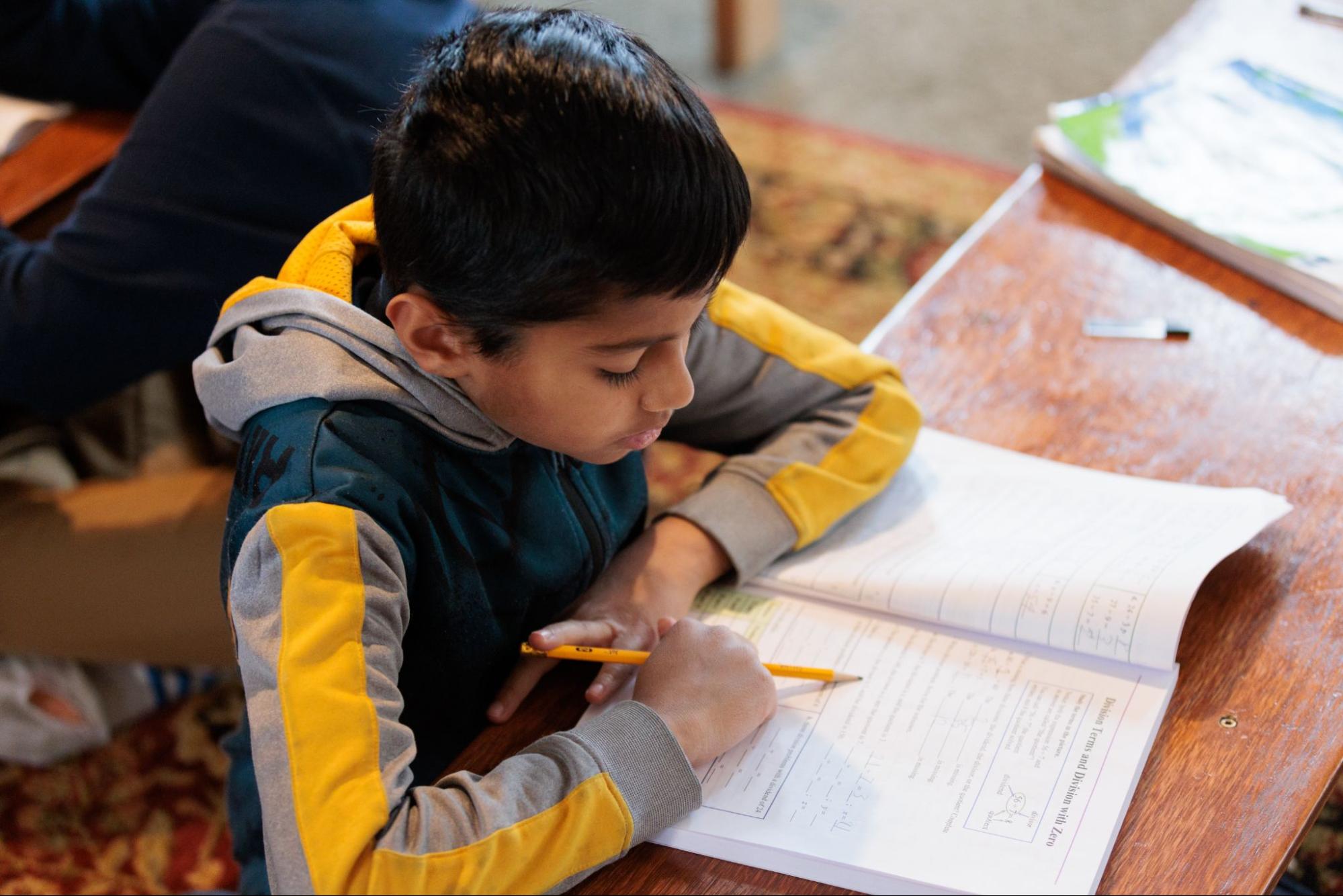
Revival Ihya’s curriculum and methodology emphasizes mastery of reading, writing, speaking, logic and mathematical reasoning. Students consistently read and write above grade level, and score higher than 95% in mathematics.
“Learning how to learn – I think that’s emphasized here. This is how to learn, not just what to learn. This is about how to learn anything. You can take that into adult life – as you learn new skills, new language, you can apply the skills of learning because of the method that’s here.” (Maureen – Parent)
Living Books
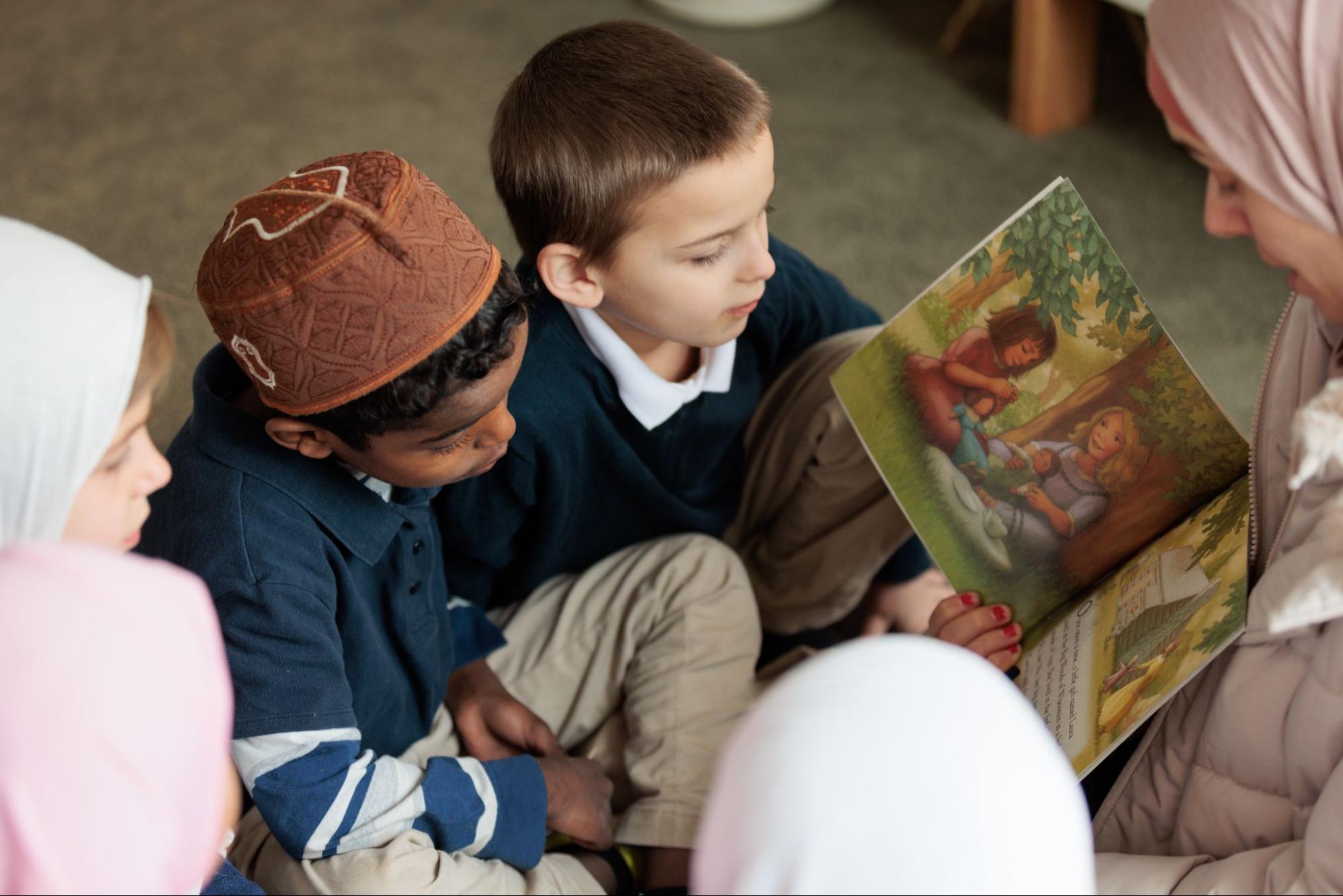
Our model relies on what the British educator Charlotte Mason called ‘living books’ – books that children can “live upon” and that are “alive with thought and feeling”. Students also spend regular time outdoors, participate in projects and events, and develop a love of learning and love for God’s creation – the ultimate ‘living book’.
“A love of learning. This is what my son lost in conventional school. Now he gets up every morning happy and excited to go and learn at Revival Ihya.” (Kemal – Parent)
Personalization
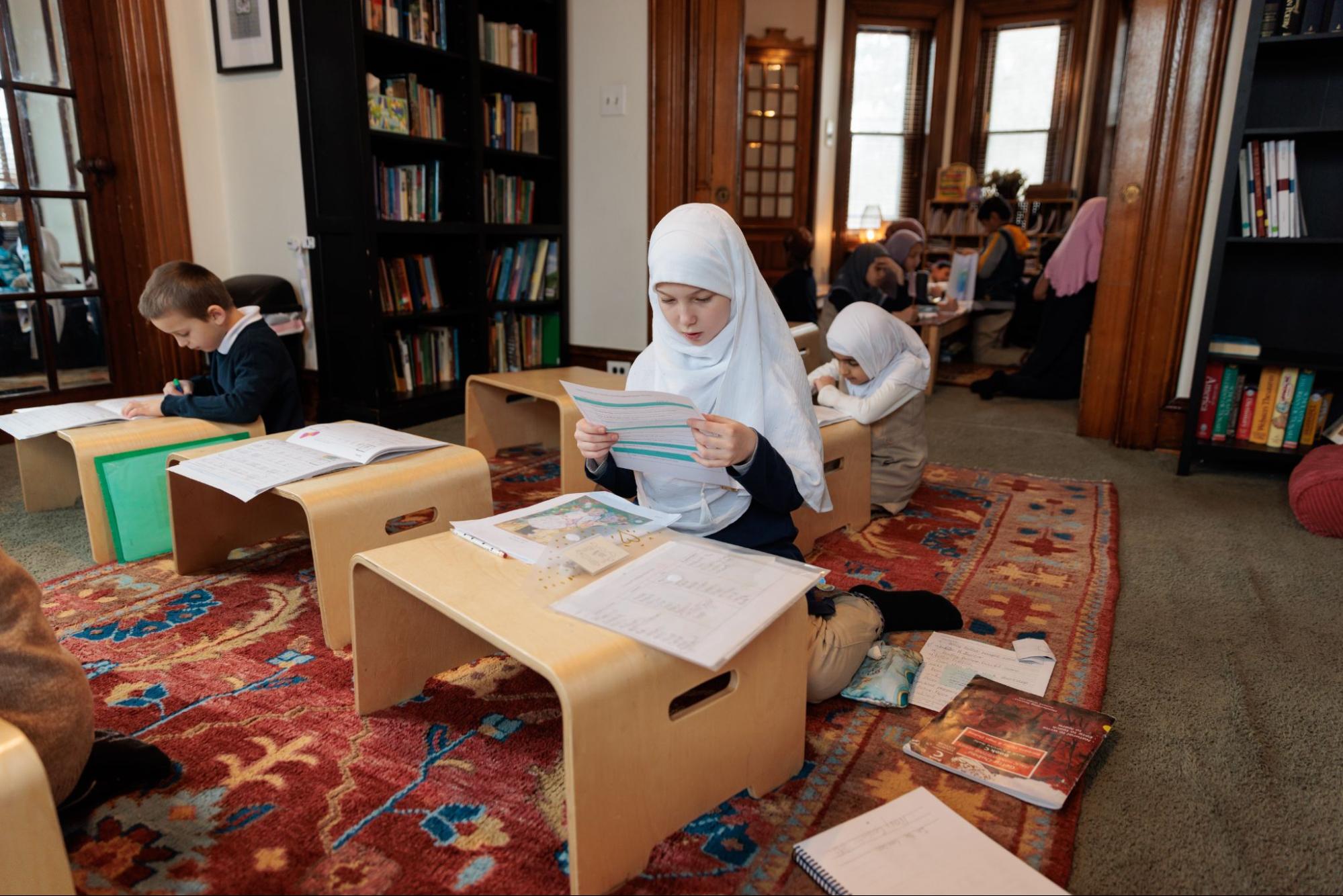
With small class sizes and mixed grade levels, teachers can personalize our curriculum and methodology for each student. Our ‘Integrated Studies’ provide students opportunities to choose when and what they learn, set their own weekly goals and schedule, and take responsibility for their learning.
“It’s like one big family…whenever anything is hard for me, they help me with it. When I get frustrated, they explain thoroughly so I can understand it better.” (Sumaya – student)
God as the Center - Integration
God – Allah – is the center of our model. All knowledge and efforts point back to Him. Students learn to view the world in an integrated manner, with their religion (deen) as the key that unlocks understanding and joy, in this life and the next. Upon graduation, they are prepared to participate in a non-Muslim society with confidence and eagerness to contribute their gifts.
“Moving our son to Ihya was the best decision we could have made. He went from being a shy Muslim kid to being a proud little boy. I love that my son is part of the Ihya family which teaches the spiritual and moral values that I as a parent strive to cultivate within my child.” (Umm Jameel – Parent)
A Traditional Religious Approach
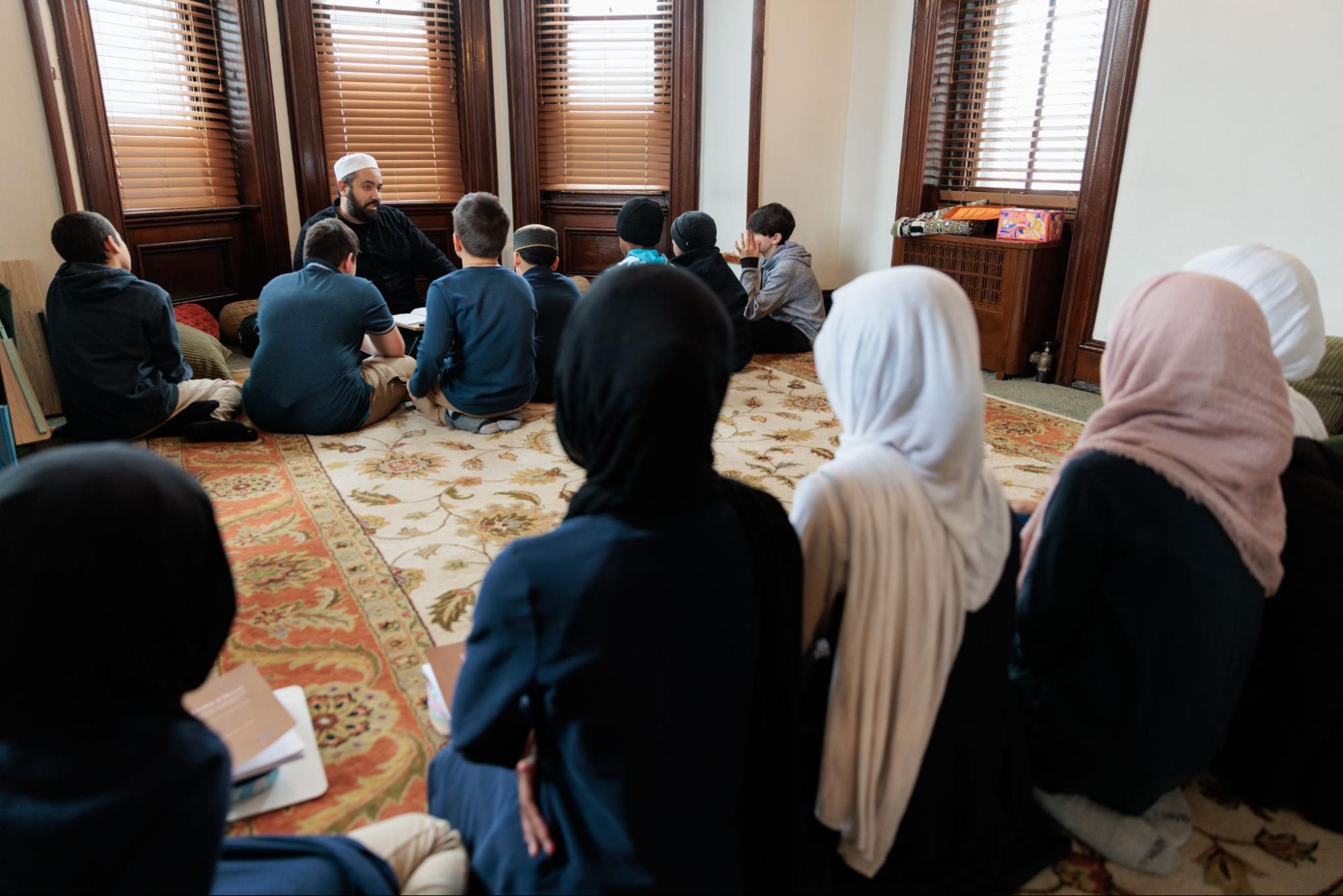
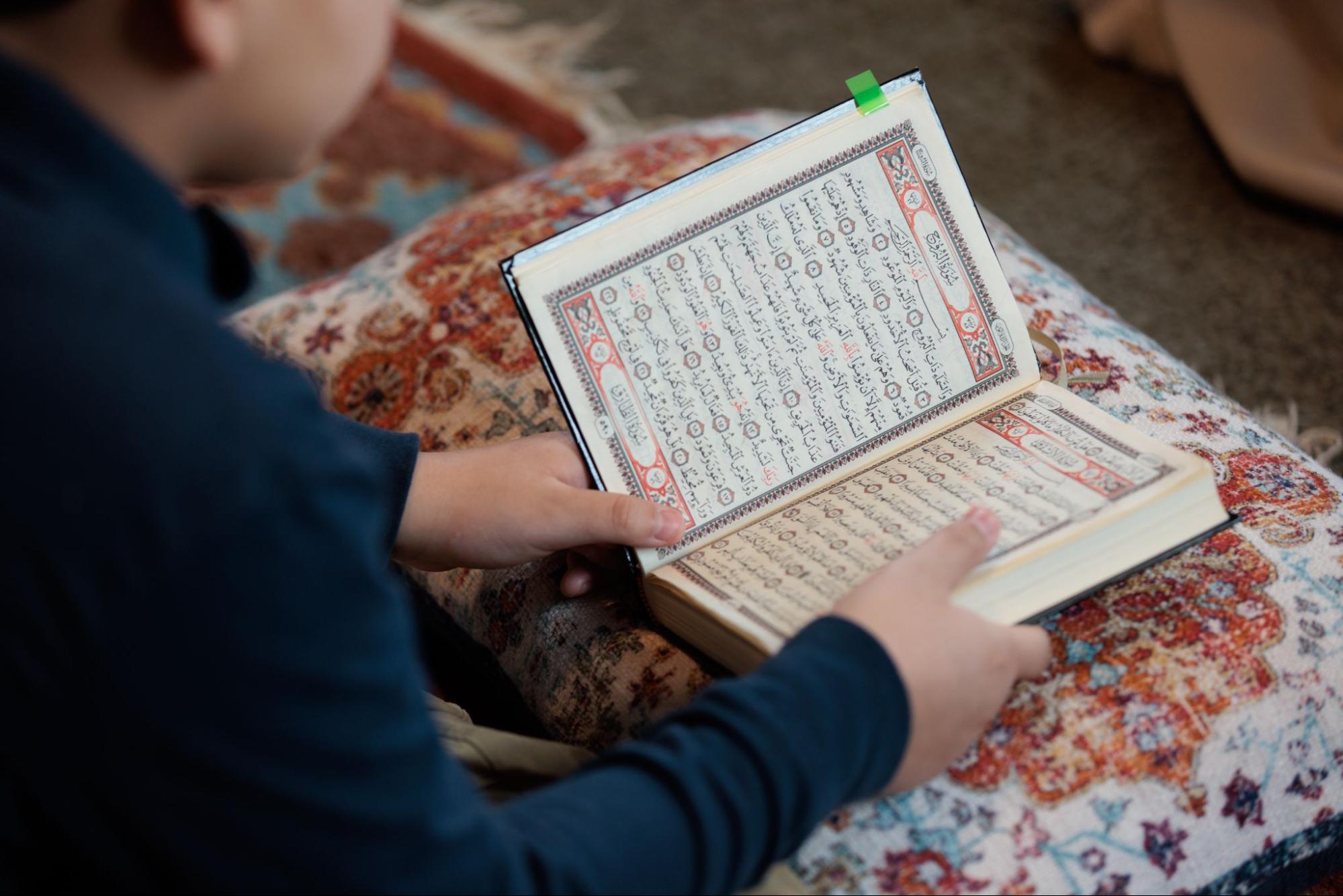
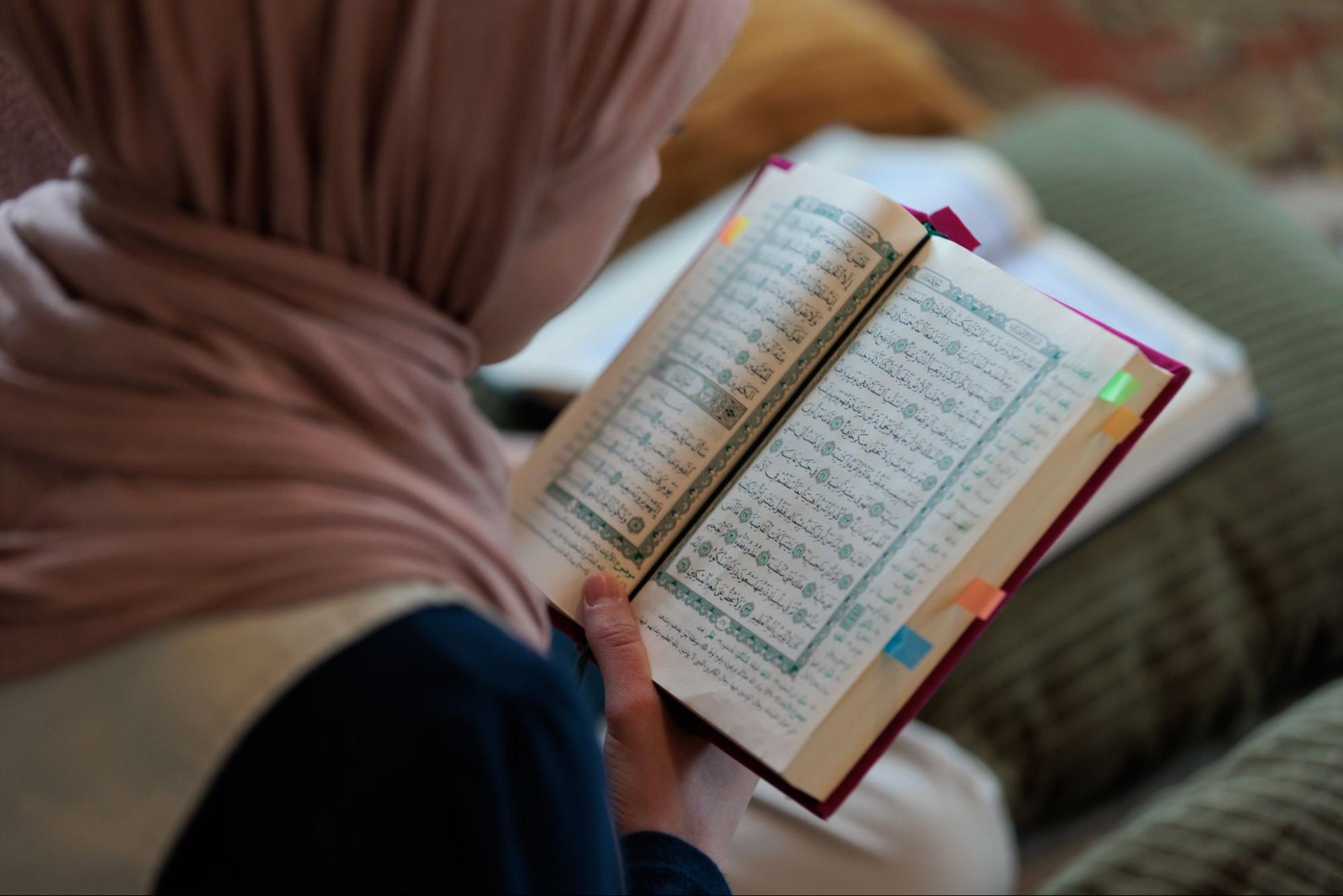
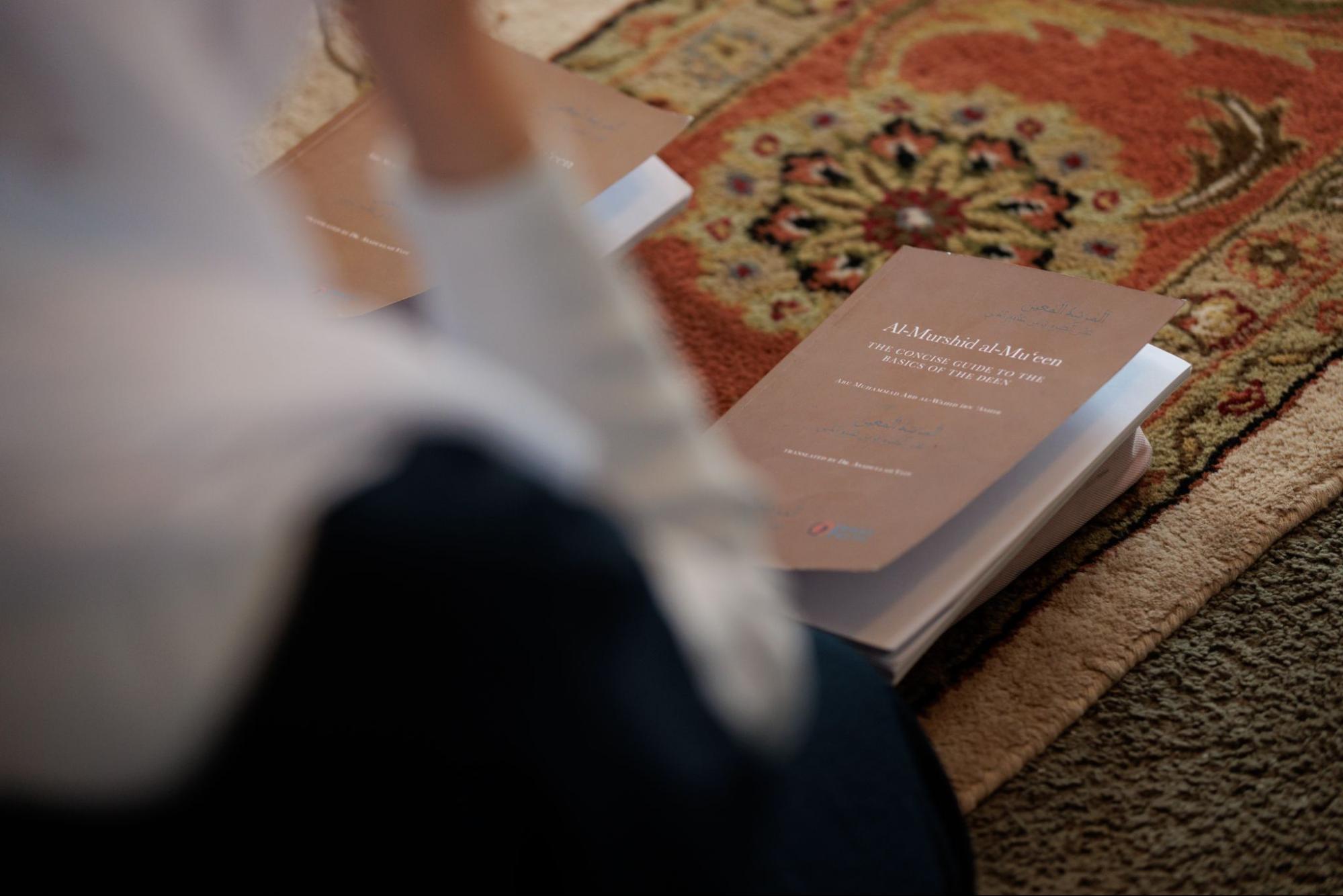
Religious sciences are taught in a traditional manner – teachers hold chains of transmission (sanad), utilize traditional teaching texts (mutun) and prepare students for mastery of the Arabic language. Students begin their day with memorization of the Quran, with an emphasis on proper recitation (tajweed).
Character Development (Tarbiyya)
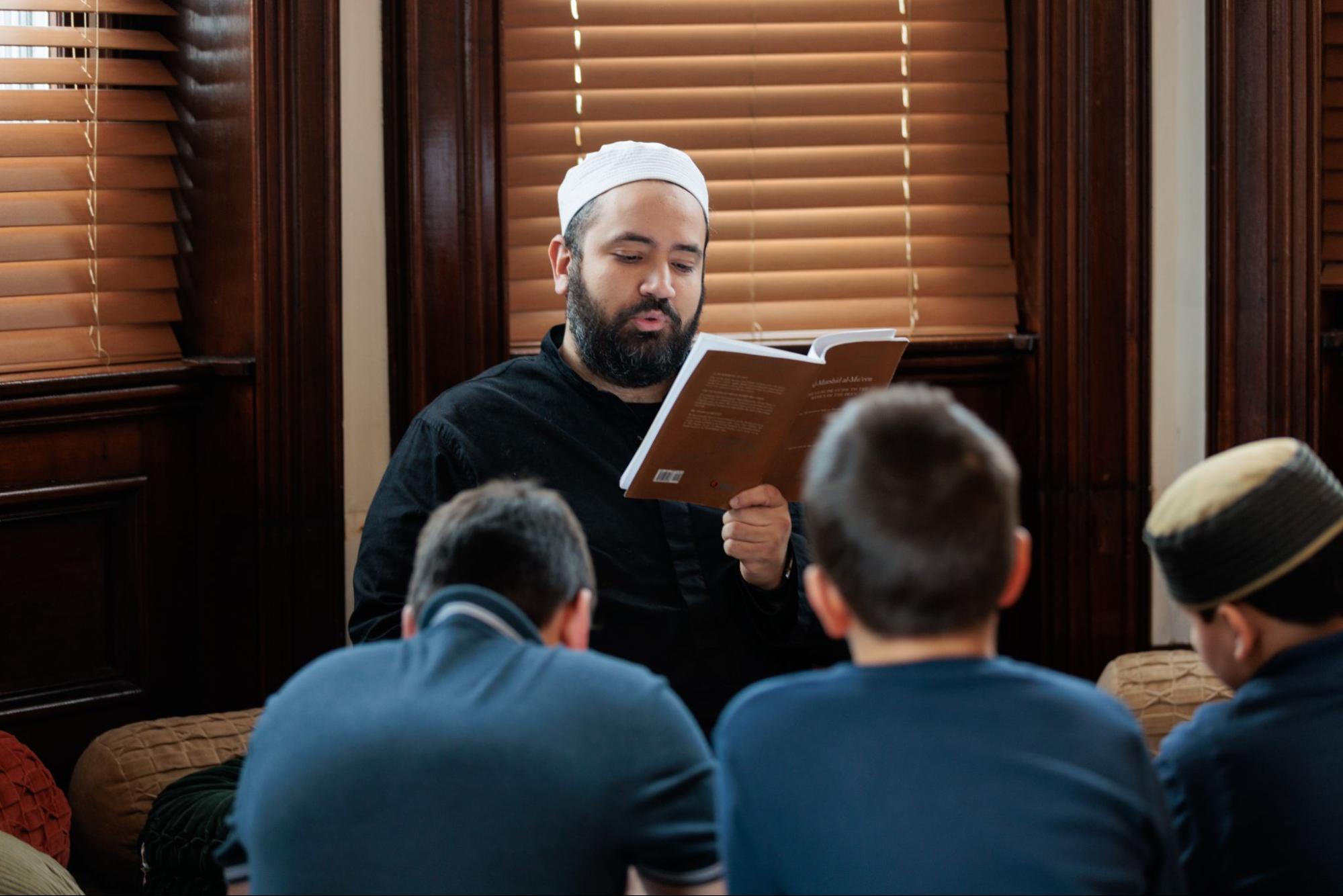
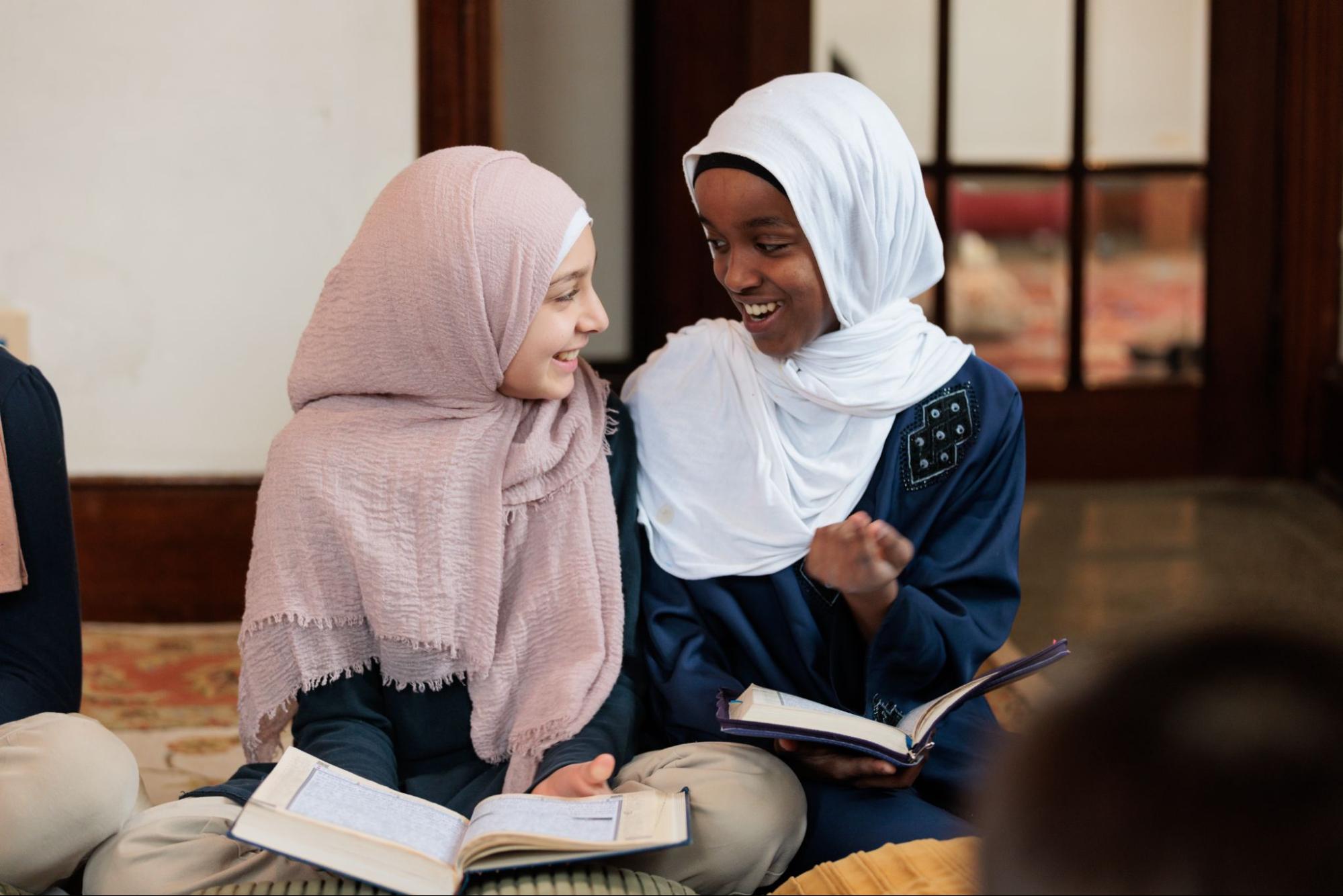
In addition to strengthening our students’ academic abilities, we continually work to instill beautiful character, in line with Islamic guidance. They learn the manners (adab) of a student and continually reflect on, and are expected to practice, Prophetic character traits.
“I wanted this. I homeschooled for 16 years. I wanted somewhere like this – the community, other elders that I respect, people who can help me raise my children…I’m so grateful for this community. (Sr. Rawhan – Parent)
Sacred Environment
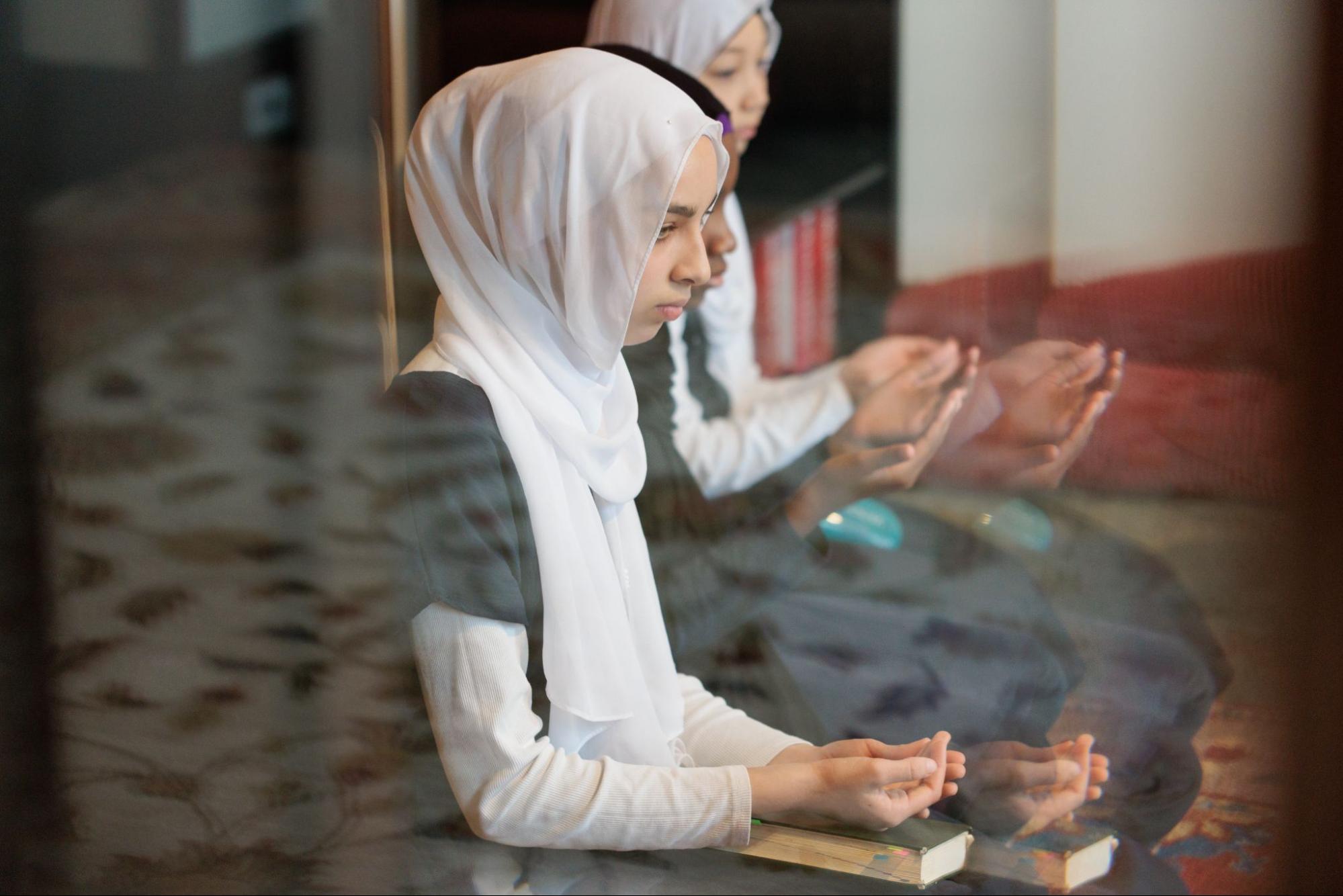
At Revival Ihya, learning is considered a sacred act, one that brings us closer to Allah. Afternoon prayer (dhuhr) is said in congregation and remembrance of Allah (dhikr) is infused into the school day.
“From the moment we joined the school community, it was evident that this institution is truly dedicated to nurturing both academic excellence and spiritual growth.” (UM – Parent)
Our Curriculum
Our curriculum emphasizes the cultivation of wisdom, virtue, critical thinking, and the use of great books that kindle the imagination.
Inspired by British educator Charlotte Mason’s educational philosophy, and connected with the broader Islamic and ‘Western’ classical tradition, our model educates the child as a whole person- in mind, body, and soul – and develops an innate desire to learn and form rich relationships with God, humanity, and the natural world.
Knowledge of God
Qur’an , Arabic Immersion, and foundational Islamic knowledge in creed, jurisprudence, Prophetic teachings, and spirituality.
Knowledge of Humanity
History, geography, literature, language arts, fine & common arts, and personal development.
Knowledge of the Universe
Knowledge of the universe includes science, nature study, and mathematics.
Our Teaching Methods
Imitation: We provide students with models of excellence to imitate and learn great ideas from (e.g. truth, goodness, and beauty). We use ‘living books,’ high-quality, narrative-rich books that bring subjects to life, instead of dry textbooks. This includes primary sources, classics of literature and history, and stories that encourage students to make connections and ask questions.
Narration: In place of worksheets, students retell what they read or hear from memory. Narration connects all the cognitive activities between reading, analytical thinking, listening, speaking, and learning how to write.
Memorization & Recitation: Students memorize, recite, and speak with eloquence and wisdom, developing excellent public speaking skills.
Copywork & Dictation: Students transcribe beautiful, well-written passages of poetry, literature, Islamic scripture, and other quotes, helping students learn spelling, grammar, and punctuation in an organic manner.
Sensory-Emotional Learning: Students gain first-hand knowledge through a sensory-emotional experience of reality that inspires wonder, awe, and reflection. This first-hand knowledge is gained through modes such as storytelling, literature, poetry, art, and nature study.
Inquiry-Based Learning: Students learn how to craft meaningful questions, think critically, and engage in thoughtful, civil discussion. Students engage in learning experiences without the use of excessive technology or homework.
Habit Training: Students develop intellectual and moral virtues through consistent habits of learning and practice.
Expositions: Students engage in a series of question and answers responses on foundational content in the curriculum, allowing them to internalize the ‘why’ behind every subject.
Short, Diverse Lessons: Students are given short, focused lessons (e.g. 10-20 mins) to build the child’s full and focused attention, with a wide variety of subjects (history, science, art, mathematics, handicrafts) that spark their interest and love of learning.
Authentic Assessments: Ihya uses a different methodology to assess and quantify what our students have learned. Instead of fill in the blank, true or false, or multiple choice questions which are often developed to show what a student DOES NOT know, we want to know what students DO know. We use authentic assessments such as narrative report cards, descriptive feedback, rubrics, open-ended questions on exams, student and parent surveys, and standardized testing to measure student progress.